

Context & Foundationsof Development Architecture
- Apr 8
- 1 min read
Updated: Apr 10
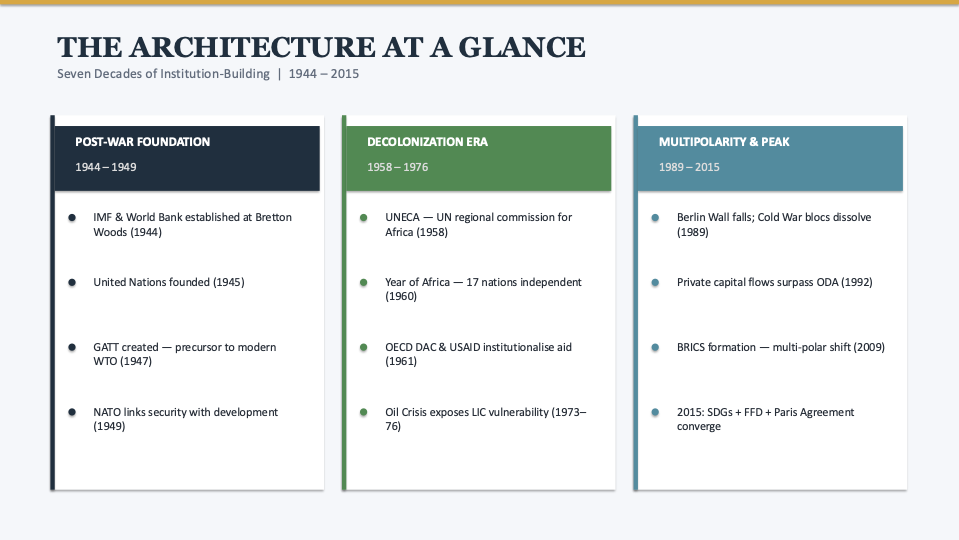
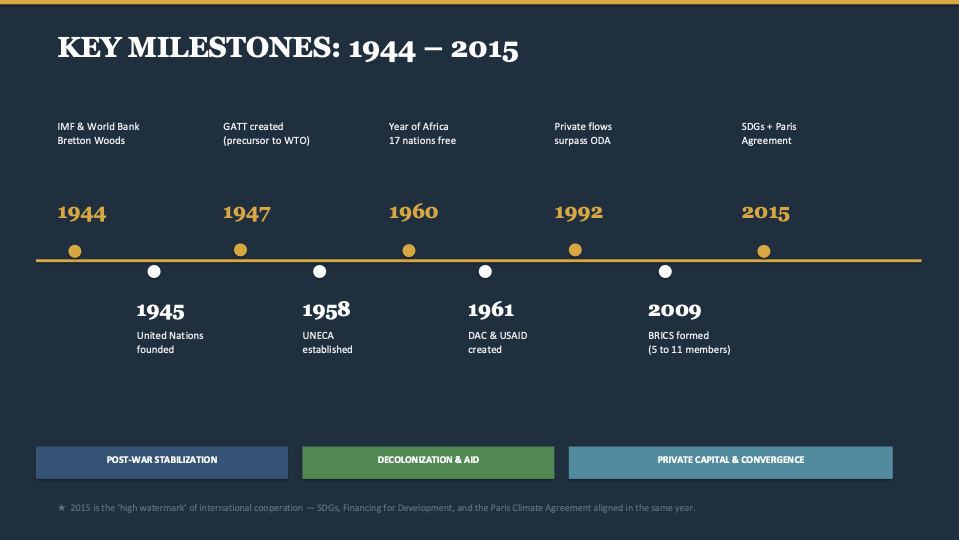
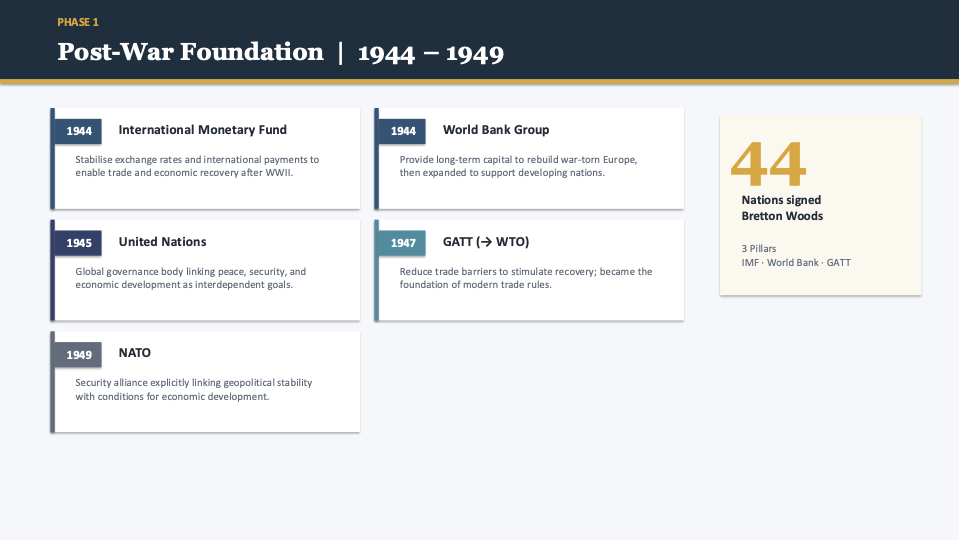
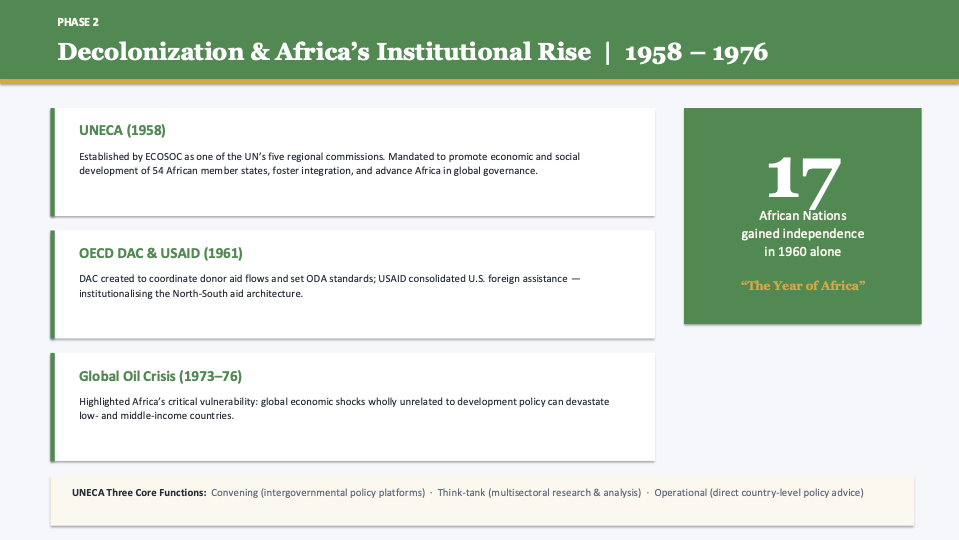
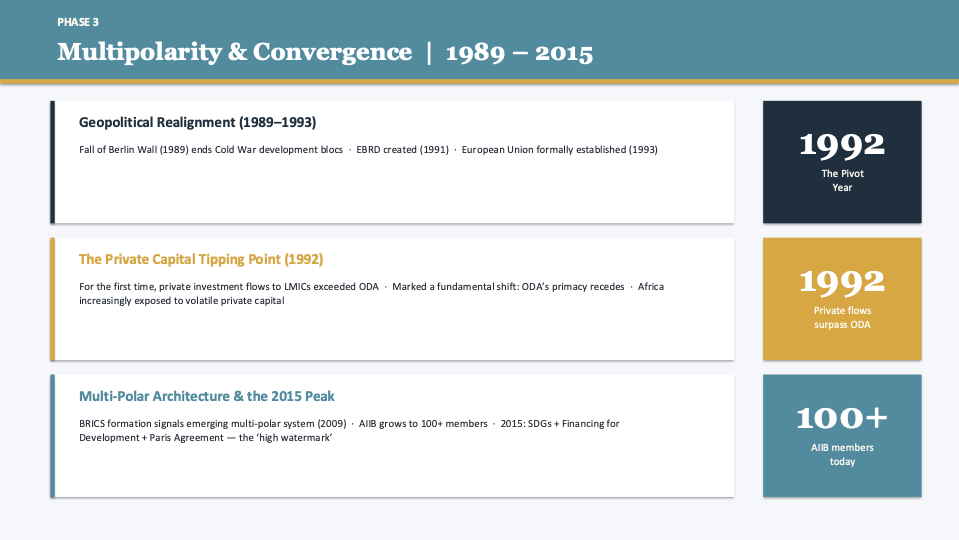
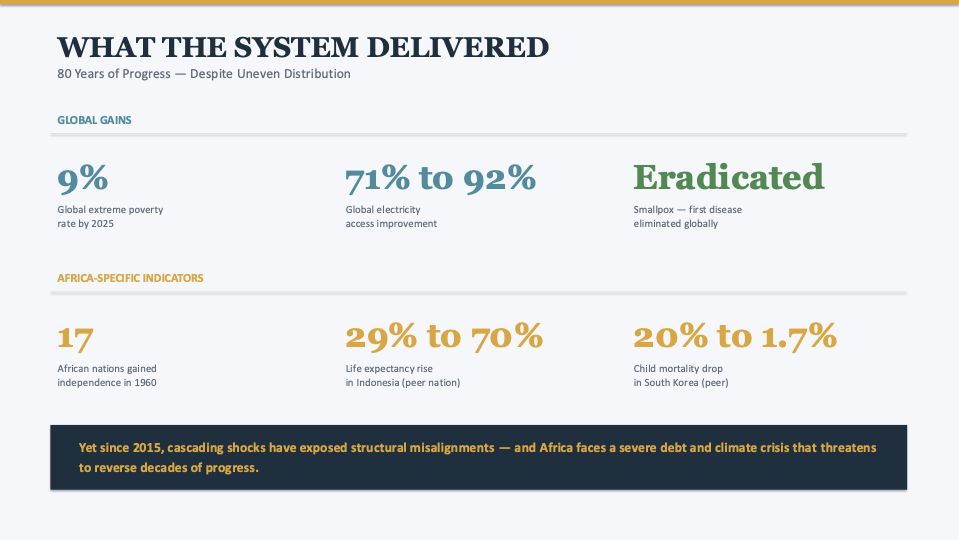
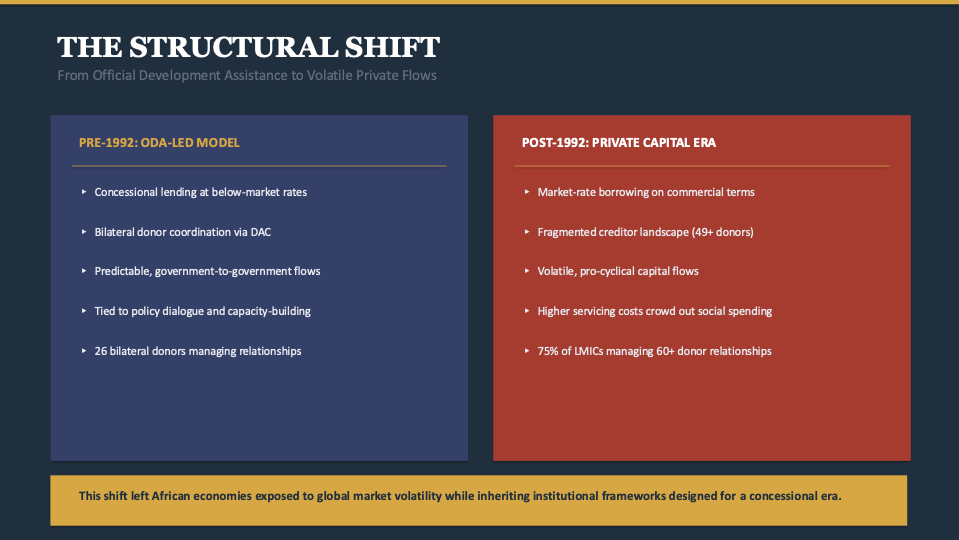
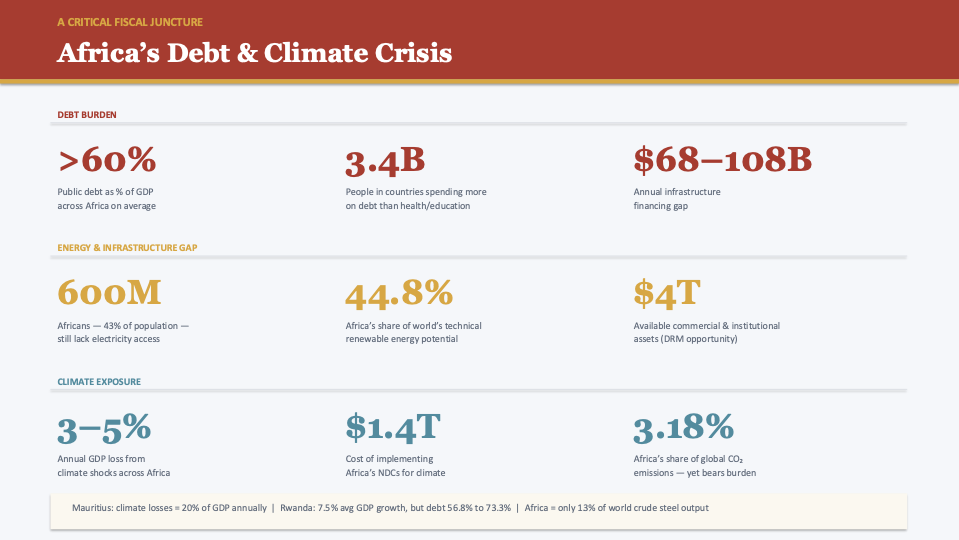
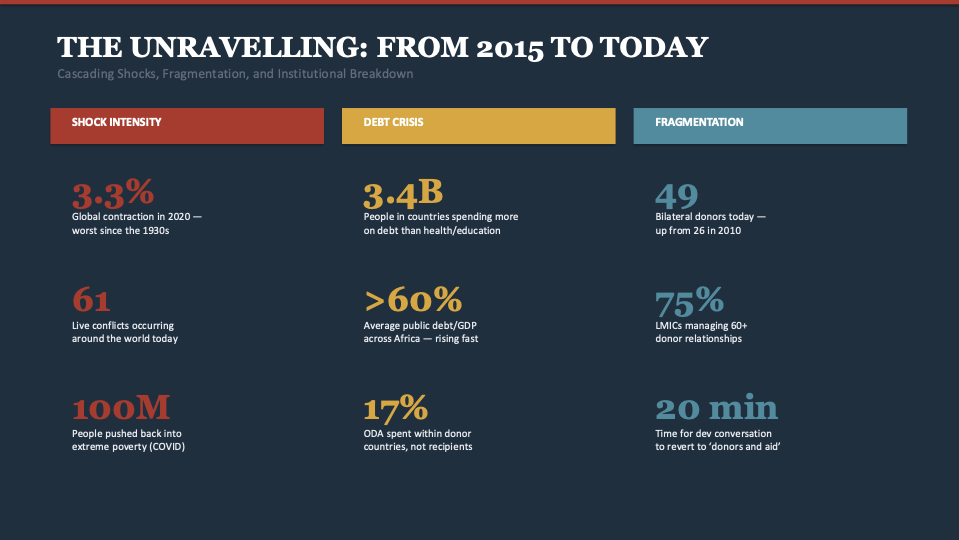
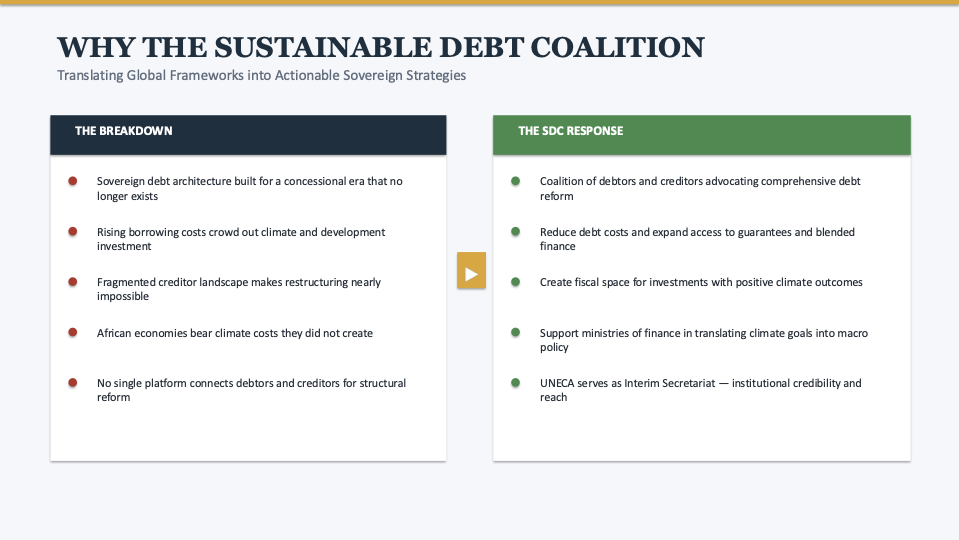
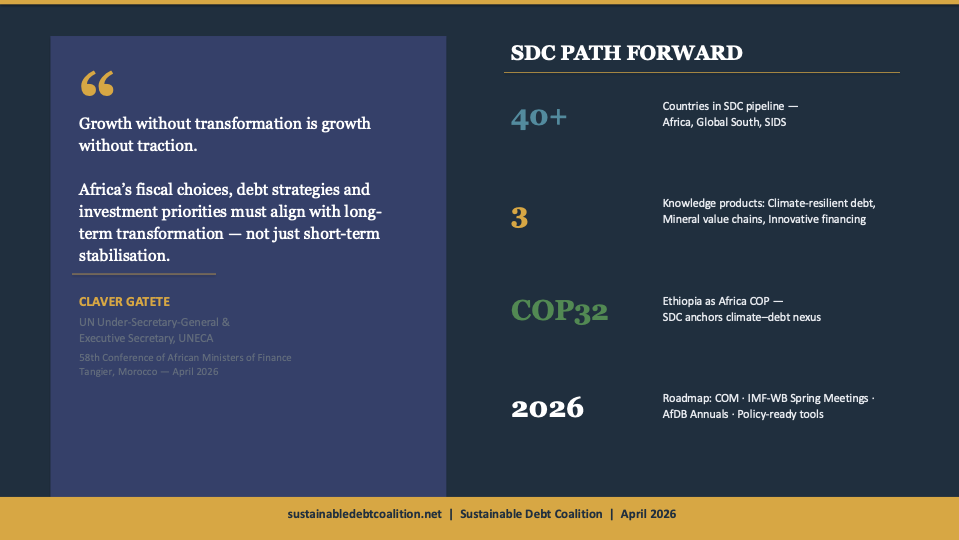
The global development architecture that emerged from Bretton Woods in 1944 was built on a foundation of concessional finance, multilateral cooperation, and institutional coordination between sovereign borrowers and a small number of bilateral donors. Over eight decades, that system delivered transformative gains — from the eradication of smallpox to the independence of dozens of African nations — culminating in the 2015 convergence of the Sustainable Development Goals, the Addis Ababa Financing for Development agenda, and the Paris Climate Agreement. Yet since that high watermark, cascading shocks have exposed deep structural misalignments: private capital flows now dwarf official development assistance, borrowing costs have surged, and African economies bear a disproportionate climate burden while commanding just 3.18% of global emissions. The Sustainable Debt Coalition, with UNECA serving as Interim Secretariat, was established to respond to this breakdown — bringing together debtors and creditors to reduce sovereign borrowing costs, expand access to guarantees and blended finance, and translate global frameworks into actionable fiscal strategies that create space for climate-resilient, long-term transformation. This presentation traces that arc from foundation to fragmentation, and sets out the path the Coalition is charting forward. The presentation below provides more details.















Comments